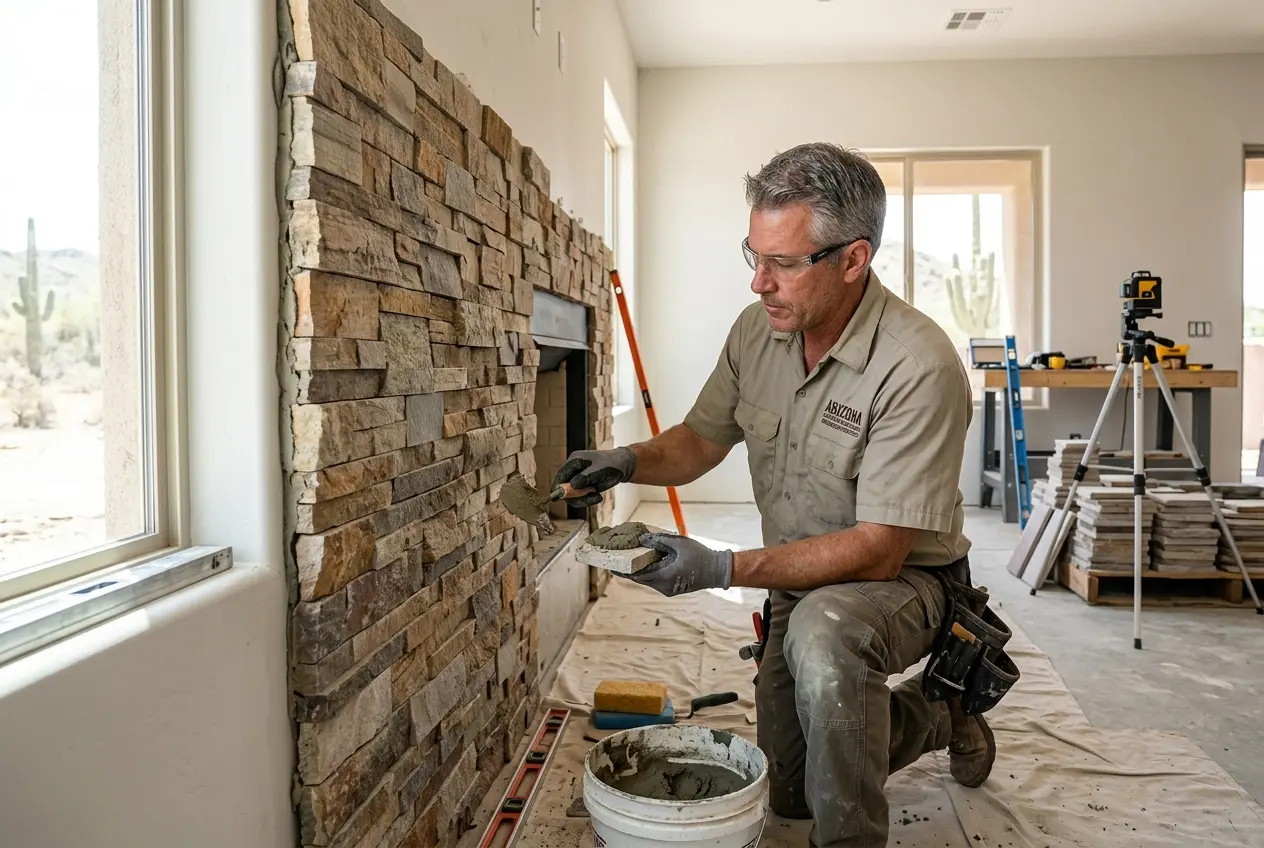
Utah's low humidity presents unique challenges—wood shrinks, drywall cracks, and finishes deteriorate faster than in humid climates. Our remodeling approach accounts for these factors at every stage.
For kitchen remodels in Draper's newer homes, we use moisture-stable materials that won't gap at joints. In Provo's university-area rentals, we install durable finishes that handle seasonal humidity swings when students return each fall.
We've developed specialized solutions like our 'Desert Grade' trim package that uses acclimated lumber and expansion-tolerant joinery. For basements, we recommend vapor barrier systems that prevent the salt deposits common in our mineral-rich soils. The result? Beautiful spaces that age gracefully despite our harsh climate.
For kitchen remodels in Draper's newer homes, we use moisture-stable materials that won't gap at joints. In Provo's university-area rentals, we install durable finishes that handle seasonal humidity swings when students return each fall.
We've developed specialized solutions like our 'Desert Grade' trim package that uses acclimated lumber and expansion-tolerant joinery. For basements, we recommend vapor barrier systems that prevent the salt deposits common in our mineral-rich soils. The result? Beautiful spaces that age gracefully despite our harsh climate.
Our Process
- 01 Step 1: Climate-specific material recommendations
- 02 Step 2: Acclimation of wood materials before installation
- 03 Step 3: Installation with expansion allowances
- 04 Step 4: Climate-appropriate finishing techniques
Benefits
- Reduced callbacks for dry climate issues
- Materials selected for Utah's conditions
- Proper acclimation prevents future gaps
- Humidity-control solutions for basements
Frequently Asked Questions
Why does my new trim keep developing gaps?
Most lumber arrives with higher moisture content than our climate maintains. We properly acclimate materials for 2-4 weeks before installation to prevent shrinkage.
What flooring handles Utah's dryness best?
Engineered hardwood or tile outperform solid wood in most valley homes. We can advise on the best options for your specific microclimate.